

Spring Semester Courses
Spring Semester:
First Day: Mon. April 6th
Last Day: Sun. Jun 28th


Spring Semester Schedule :
Mon. April 6th-Sun. Jun 28th


This Course Meets:
Monday: 7-9 pm (CST MN USA/ 1:00am-3:00am (London/UK)/ 3:00-5:00 am Kenya Time/Australia +17 hrs.
Wednesday: 7 pm-9 pm (CST MN/USA/1 pm-3 am (London/UK) Time Zone/ 3:00-5:00 am (Kenya) Time Zone/ 9:00am-11:00 am Malaysia Time Zone/Australia +17 hrs.
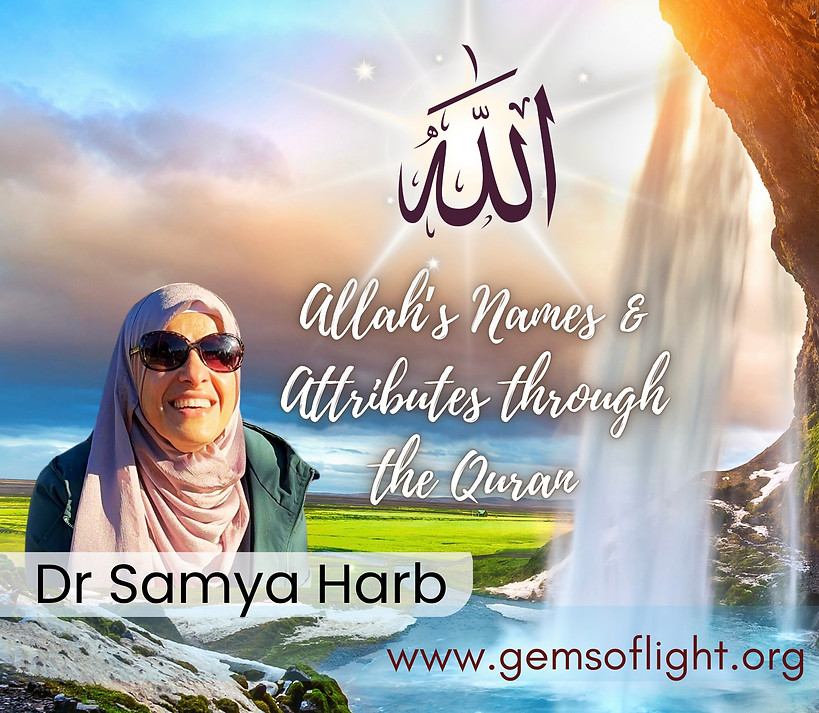
Asma Al Hosna in the Quran:
Quranic Reading, Tafseer (Understanding of the Quran), and Aqeedah (Belief)
During this Interactive Course students will learn to Read with proper tajweed and pronounciation taught by Dr. Samya Harb, PhD in Quranic Science. She will increase your reading fluency making it easier to read at a faster rate with confidence. She will help you develop a love for Allah swt (Who He swt is, His names, and attributes). You will see in different verses (ayaat) the way Allah swt describes Himself within the context of the verse and Surah. You will dive into the deep meanings of the verses and see how His Names/Attritubes are manifested within the realm of the creation in relation to us as human beings on this earth. You will leave this course with a deep understanding of belief and a closer relationship to Allah swt.
Note: This course is a part of the Journey through the Quran Program & Aqeedah I course requirement.
This course is taught by Dr Samya Harb, our Dean of Quranic Sciences at Gems of Light University.
This Course Meets:
Fridays: 8:00 pm-10 pm (CST MN USA)/ 1 am-3:00am (London/UK)/ 3:00-4:00 am Kenya Time/10am-12pm Malaysia/Australia +17hrs.
Sundays 8-10 pm (CST MN/USA)/1 am-3:00 am (London/UK) Time Zone/ 2:00-4:00 am (Kenya) Time Zone/ 10 am-12:00 pm Malaysia Time Zone/Australia +17 hrs.

Fiqh of Zakkat
This course provides an in-depth, systematic analysis of the third pillar of Islam: Zakat. Moving beyond basic definitions, students will explore the legal philosophy (fiqh) behind wealth purification, the classical rulings of major schools of jurisprudence (madhahib), and the application of these rules to modern, complex financial scenarios. The course aims to equip students with the practical knowledge to calculate Zakat accurately and the spiritual understanding to appreciate its role in social justice and economic empowerment.
Core Topics Covered:
-
Philosophy of Zakat: The concept of Numuw (growth), spiritual purification, and social responsibility.
-
Conditions for Obligation: Rulings on the owner and the wealth (ownership, Nisab, Hawl, excess of needs).
-
Zakatable Assets: Detailed analysis of cash, personal vs. business gold/jewelry, and agricultural produce.
-
Zakat on Business & Investments: Calculating Zakat on inventory, accounts receivable, trade goods, and corporate stocks.
-
Debts and Liabilities: Handling long-term loans and their effect on Zakat liability.
-
Recipients (Asnaf): Identifying the eight categories of recipients mentioned in the Quran.
-
Zakat al-Fitr: Rules regarding the obligatory charity at the end of Ramadan.
-
Contemporary Issues: Modern applications, including cryptocurrency, crowdfunding, and digital wallets.
and much more! This course is taught by our Dean of the Science of Fiqh/ Islamic Studies Department,
Dr Aysha Wazwaz.
Note: This course is part of the required core curriculum for Gems of Light University's Associate Degree Program.
This Course Meets:
Tuesday: 7-9 pm (CST MN USA/ 1:00am-3:00am (London/UK)/ 4:00-6:00 am (Kenya) Time Zone/Malaysia 9-12am/Australia +17 hrs.
Thursday 7-9 pm (CST MN/USA/11:pm-1 am (London/UK) Time Zone/ 2:00-4:00 am (Kenya) Time Zone/ 7:00am-9:00 am Malaysia Time Zone/Australia +17 hrs.
-3.png)
Ethics in Islam: Beautiful Character
During this course students will focus on ethics as the basis of morality/ diving into manners in Islam (often referred to as 'Adab' or 'Akhlaq'). Students will gain an understanding of Islamic ethical principles and their practical application in daily life. This course will cover:
-
Foundational Islamic beliefs
-
Islamic history and culture: We will explore aspects of the history of Islam (Seerah) in the life of Prophet Muhammad (PBUH) serving as a primary example of ideal manners and character.
-
Core Islamic manners (Adab): Specific etiquettes including:
-
Personal Conduct: Cleanliness, dressing modestly, manners of eating and drinking, visiting the sick, offering condolences
-
Social Interactions: Respectful communication, dealing with non-Muslims, social etiquette in private and public gatherings, avoiding backbiting and gossip.
-
Specific Roles: The etiquette of scholars, students of ilm, reciters of the Quran, and teachers.
-
-
Developing good character (Akhlaq): Covering character traits like honesty, patience, forgiveness, humility, justice, kindness, and compassion, emphasizing their Islamic basis.
Note: This course is considered a required course in our core curriculum.
Current Courses
Independent Study: Fiqh of Marriage Seminar
$150.00 or Fiqh of Marriage Self-Study course
Seerah: Life of the Prophet Muhammad 4 Month Self-Study Course
120 Days
$150.00 or Self-Study Course Payment Plan


